
CSHQA specializes in adaptive reuse, reimagining underutilized buildings and sites instead of demolishing them. This sustainable approach has been a focus of our work for years, and we see it as one of the most effective strategies for responsible development today. Adaptive reuse transforms buildings of all ages into vibrant new spaces, from converting schools into offices or apartments to repurposing warehouses and retail spaces into restaurants, fitness centers, or housing, and redesigning historic grounds around buildings into public plazas, parks, or other community destinations.


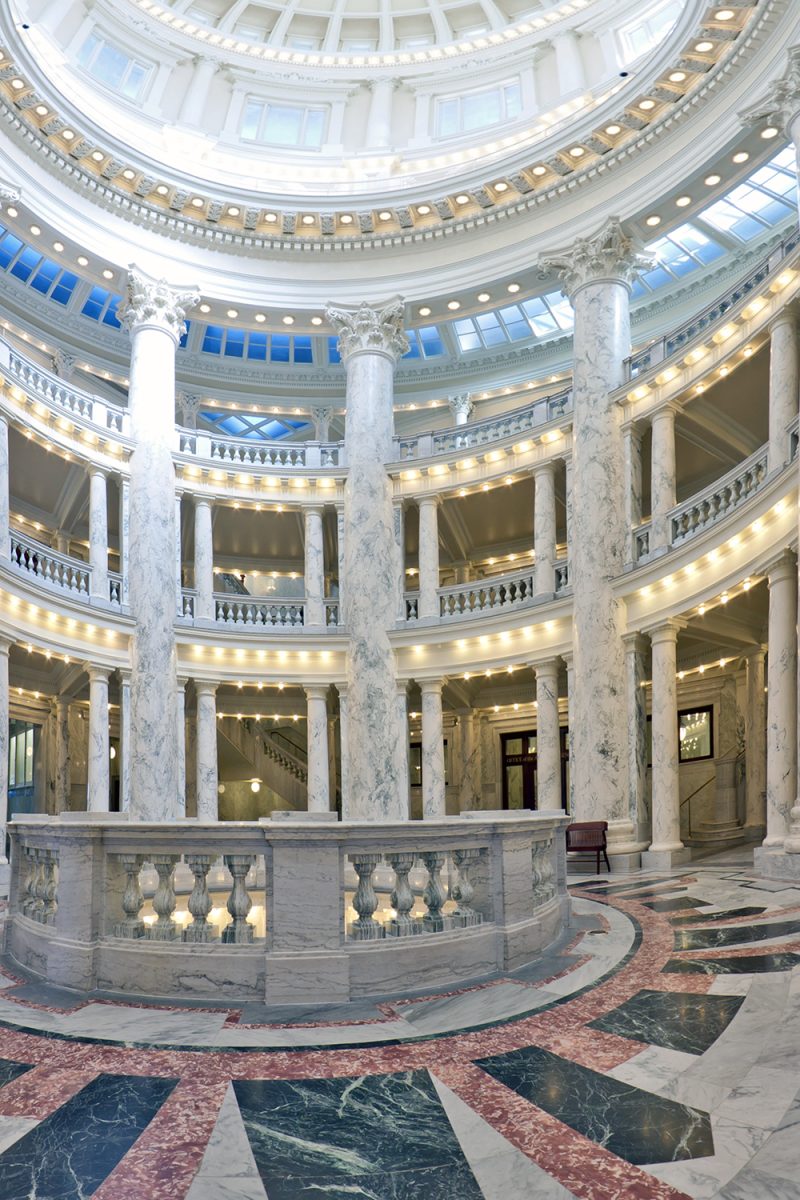

CSHQA provided the complete restoration design for the Idaho State Capitol and Wyoming State Capitol. In the 1970s, the Idaho State Capitol underwent upgrades intended to reduce energy use, but many changes significantly altered the interior environment and appearance. After CSHQA’s restoration, the Capitol’s aesthetic was returned to the bright, airy “people’s house” it once was. (capitolcommission.idaho.gov/restoration)
Collaboration at the Core
Successful adaptive reuse projects depend on seamless collaboration among architects, landscape architects, engineers, interior designers, and specialized consultants. When multiple perspectives integrate fully, your project succeeds.
Understanding Existing Conditions
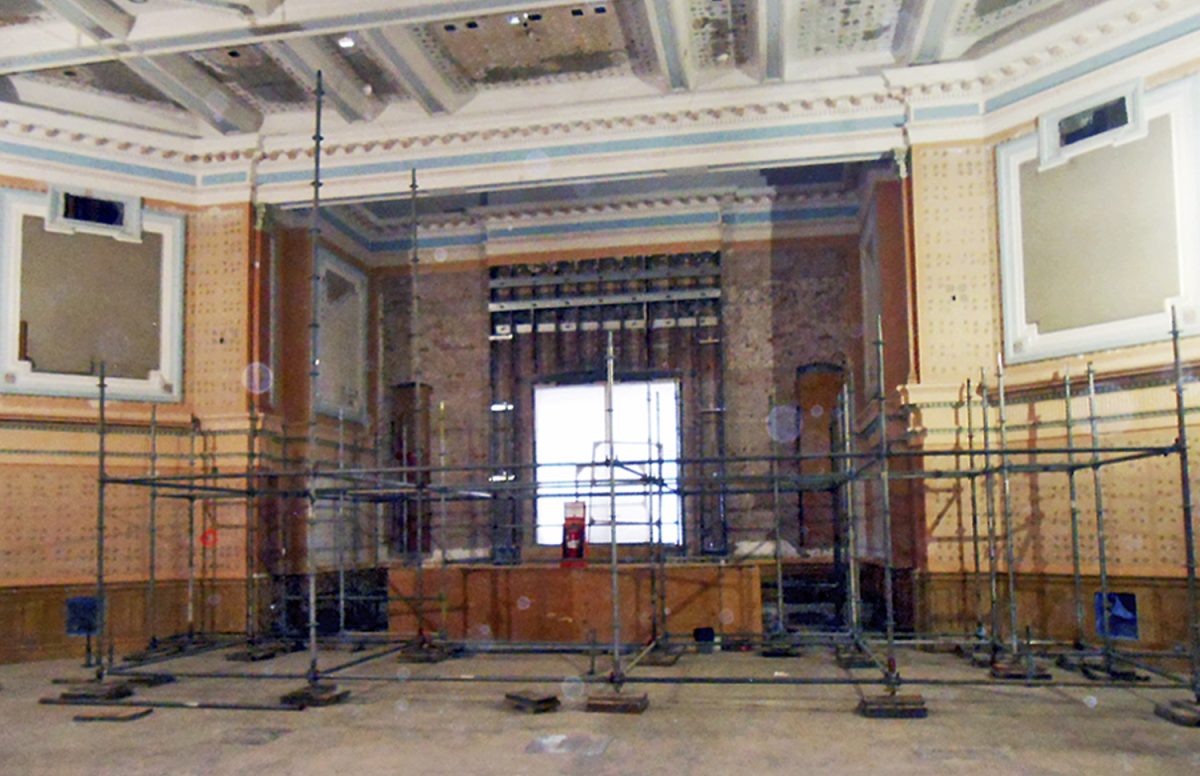
Each project begins with a thorough assessment of the building or site.


Architectural Analysis
- Study how spaces function.
- Identify character-defining features to preserve.
- Determine how a new program fits within existing layouts.
Structural Engineering Evaluation
Analyze structures, systems, and materials to determine what can be reused and what requires upgrading. Upgrades often include fire suppression, elevators, or exit paths.
- They may climb into attics to check roof trusses, connections, or perform material testing on older concrete.
- Review available building records for additional insight.
These evaluations reveal opportunities and constraints that shape creative, practical design solutions.
Codes, Constraints, and Opportunities
Meeting current building codes presents significant challenges since older buildings were not designed for today’s life safety, accessibility, or energy requirements.
- We work closely with authorities having jurisdiction (AHJ) from the start, leveraging the International Existing Building Code (IEBC) to identify compliance paths to preserve some existing elements, while meeting safety standards.
- Architects navigate zoning and code provisions specific to existing structures.
- Engineers evaluate structural loads, seismic performance, and fire protection needs.
Together, we identify safe, cost-effective solutions through creative equivalencies meeting code intent without unnecessary reconstruction.
Making Old Buildings Work Harder
Older buildings were built to last, though not always for today’s needs. A warehouse designed for stacked goods may be perfect for a new fitness center but require modifications for residential or office use. Optimization strategies include:
- Planning new openings for stairs and elevators.
- Calculating how those changes affect load paths.
- Installing discreet steel frames hidden behind walls, masonry, carbon fiber wraps on beams, or lateral bracing tucked into ceilings.
The goal is to strengthen the building while preserving its character.
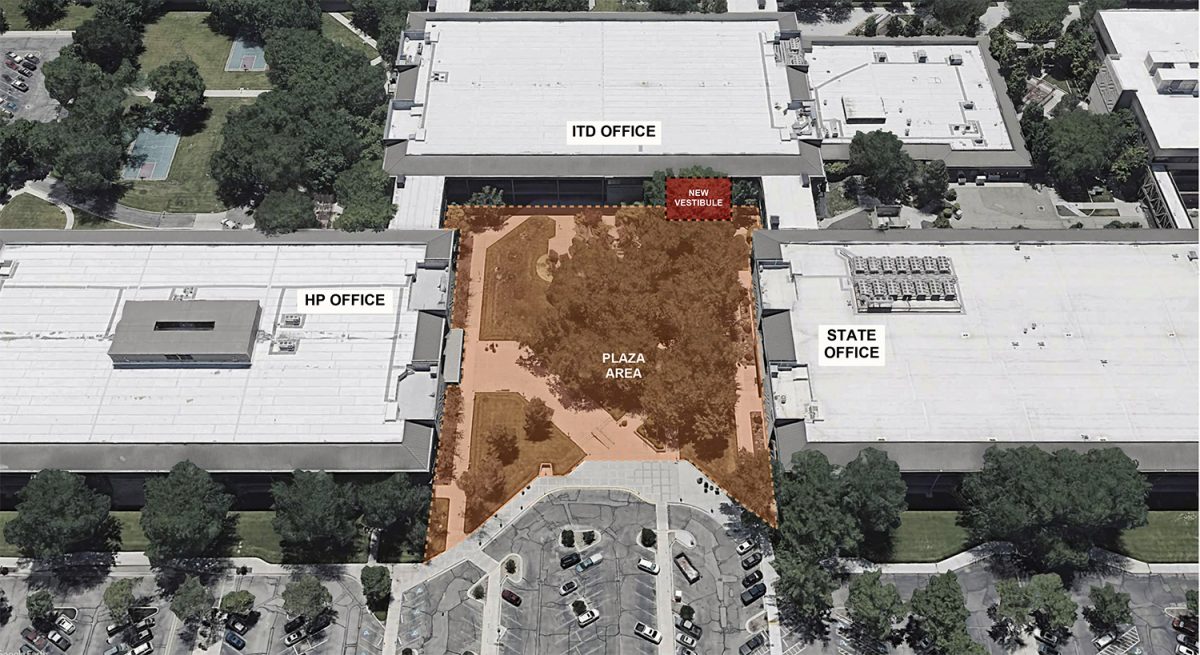
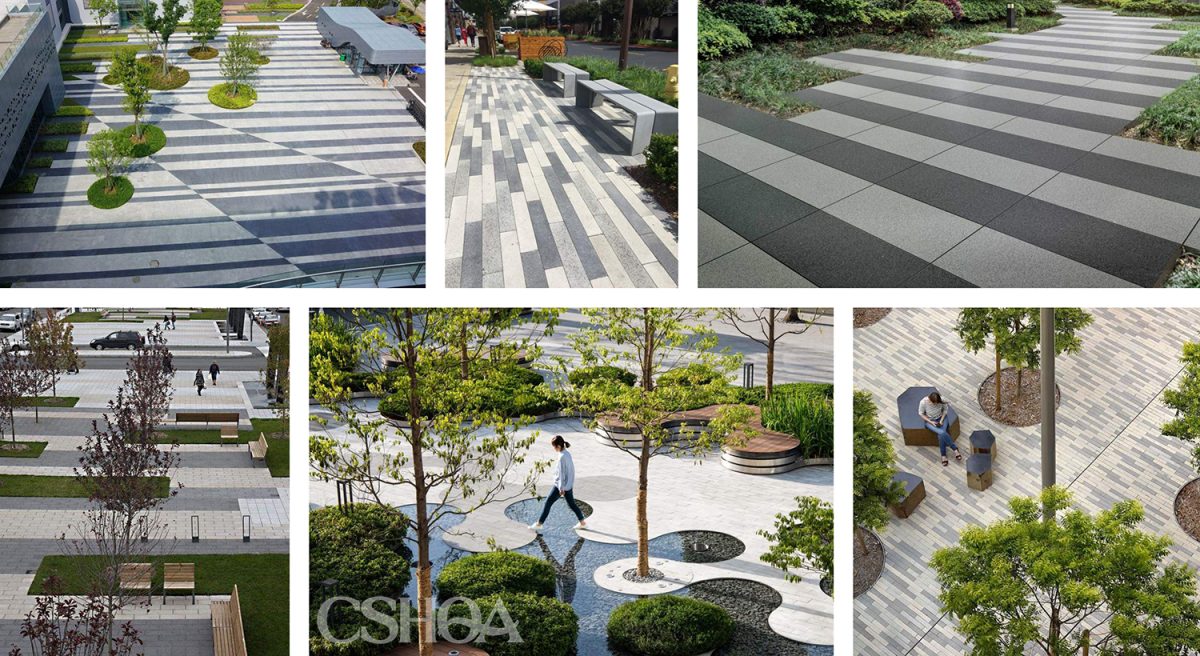
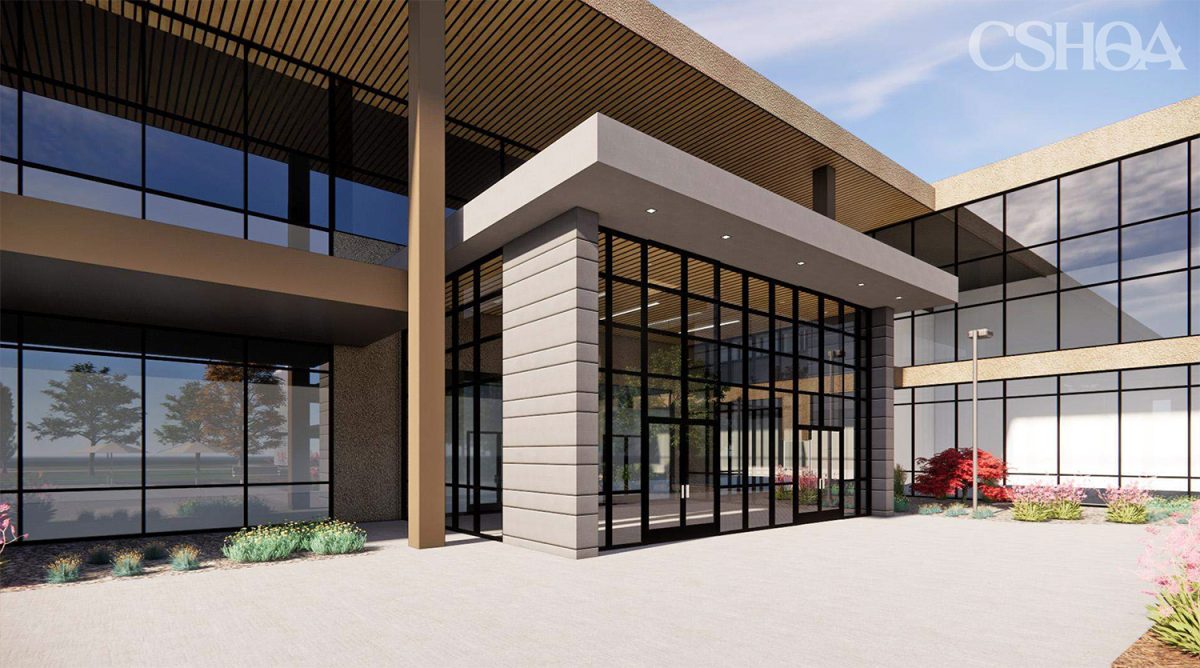
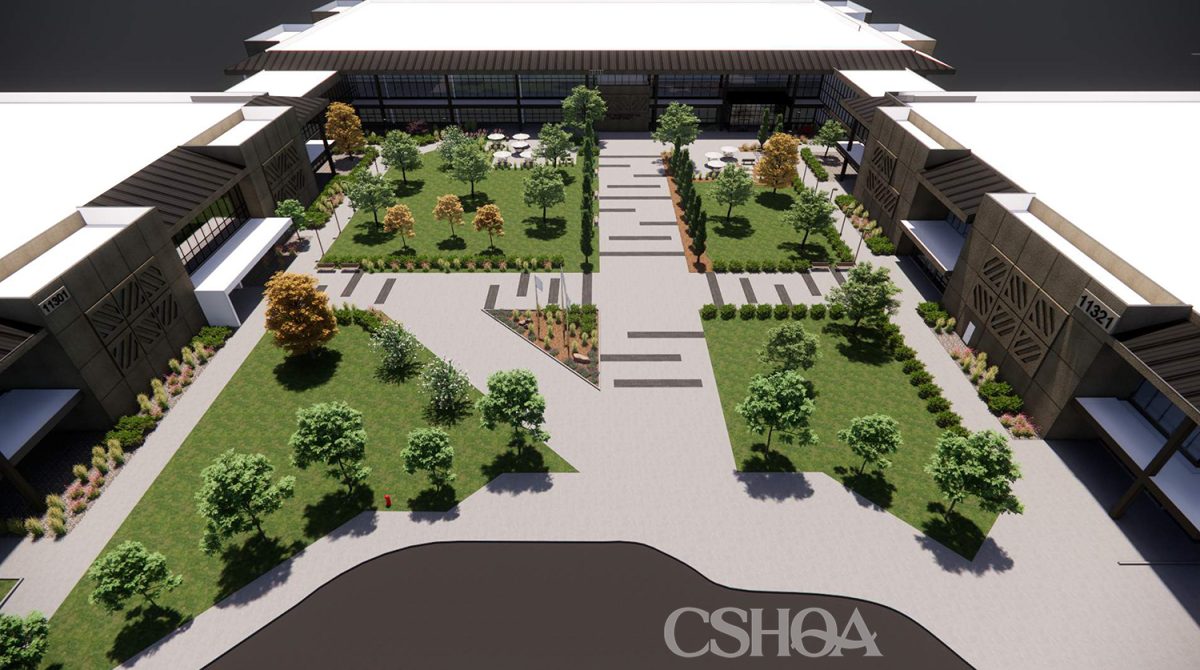
CSHQA’s work on the State of Idaho Chinden Campus, an aged Hewlett-Packard manufacturing facility, transformed the site into a fully redesigned office complex, allowing state agencies to be consolidated and housed efficiently in one location. The adaptive reuse covers several of the eight office buildings on 197 acres along Chinden Boulevard in west Boise. (ccs.idaho.gov)
Exterior Building Envelope Systems
Adaptive reuse often requires a new exterior “skin” to improve the building’s appearance and performance.
- Architects evaluate façades, windows, and roofs, balancing preservation of key elements with the need for energy efficiency.
- Engineers assess structural capacity when curtain walls, cladding, or roofing are replaced. New loads from roofing materials, mechanical equipment, or other components must be verified against the existing structure.
Modern Systems Integration
Most adaptive reuse projects face significant space planning challenges. They require replacement of mechanical, electrical, and plumbing systems. Our Architects identify space for ducts and shafts without disrupting design intent, while engineers design efficient systems that fit within tight floor-to-floor heights. Collaboration is key as every duct, pipe, and wire must find its place in a building not originally designed for them.
The former Idaho Transportation Department (ITD) headquarters building on State Street in Boise, Idaho, was severely damaged by flooding and declared surplus property in 2022. While not a full adaptive reuse, the building constructed in the early 1960s was no longer serving its highest and best use. CSHQA conducted a detailed building assessment, identified numerous issues, and is now designing an entirely new vision for its future, targeted for 2026.
Sustainability Beyond Buzzwords
Adaptive reuse is inherently sustainable, conserving materials and reducing waste, while extending the life of existing structures. We maximize natural daylight, create healthier interiors with lower-carbon materials, model energy use and design high-efficiency systems, balancing modern performance with the realities of older construction.
Preserving Historic Buildings Adds Complexity
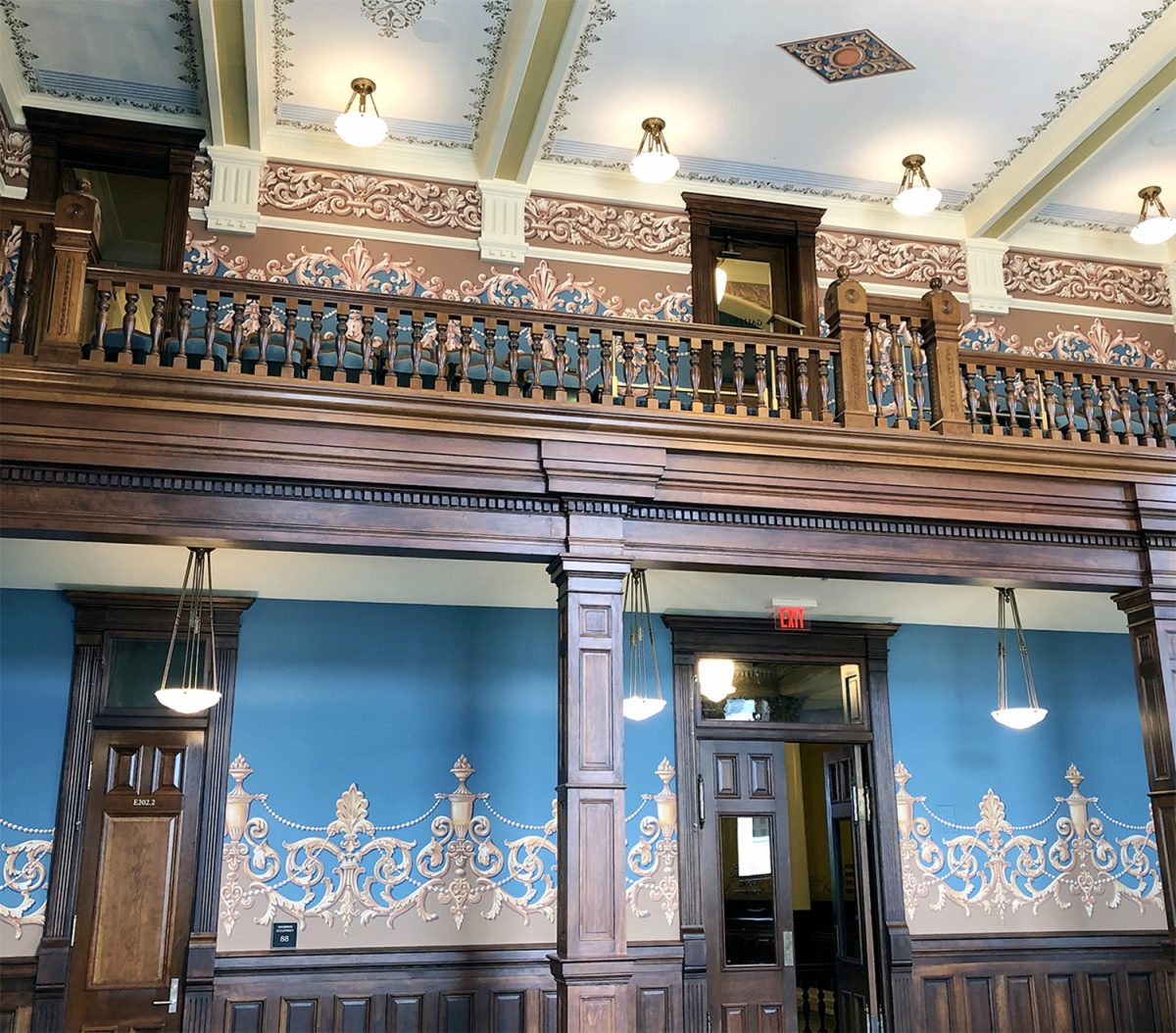
When working with historic buildings, Architects protect key features, from ornate façades to interior woodwork, while engineers design hidden reinforcements that safeguard appearance within historic fabric. The outcome honors the past while serving today’s needs.


Construction: Expect the Unexpected
No matter how thorough the surveys, surprises occur, including hidden deterioration, undocumented alterations and unusual materials (such as gas piping reused as conduit). Our team remains engaged throughout construction, adapting details and helping contractors resolve issues in real time. Having a strong, experienced team on your side is essential for success.
Why Collaboration Matters
Adaptive reuse isn’t just a design or engineering challenge; it’s both. The best results happen when all disciplines share responsibility and work together to develop solutions. It’s not just about fitting a new use into an old shell; it’s about creating a safe, efficient, and sustainable building that benefits communities for decades to come.
Community Impact
At CSHQA, we’ve seen adaptive reuse transform not only buildings but entire neighborhoods. Vacant or underused spaces become vibrant and valuable again. These projects are complex, but when architects, engineers, and owners work as a unified team, possibilities are wide open.


Photos (top to bottom):
- Cover: Whole Foods Market – Regional Office: Three-story, brick warehouse built in the 1900s converted into a new Regional Home Support Office to accommodate 100+ team members located near Denver’s Union Station.
- Idaho State Capitol Historic Preservation, Restoration, and Rehabilitation: Non-original materials were removed, and all remaining surfaces of the historic Capitol were preserved and painstakingly restored. The building was modernized with contemporary office building functions, while preserving the historic integrity of “The Capitol of Light” the original architects imagined.
- Constructed in three phases, 1888, 1890 and 1970 respectively, the Wyoming State Capitol Restoration is a National Historic Landmark and the State’s most significant building.
- State of Idaho Chinden Campus: The scope includes leveraging the existing first and second floor B3 Renovation design to the greatest extent possible to create a new dynamic space for the Idaho Department of Health and Welfare (DHW).
- Historic U.S. Assay Office Assessment, Rehabilitation & Restoration: Built in 1871 the U.S. Assay Office in downtown Boise, Idaho, is one of only three buildings in Idaho recognized as a National Historic Landmark.
- CSHQA Boise Office: Renovation of a 20,000 SF 1950’s brick and CMU warehouse property into a modern, collaborative space for our Boise office.
Learn more about our Historic Preservation/Restoration team and services. Connect today.